Beyond Talent: Who Has the Mental Edge in the Premier League Title Race?
Picture this: it’s the 85th minute of a tense April fixture. The title challenger is trailing 1-0 away from home against a mid-table side fighting for survival. The crowd is hostile, the pitch is heavy, and every pass carries the weight of the entire season. One team holds its shape and keeps playing forward; another starts pointing fingers and playing safe sideways passes. That difference, repeated across several defining moments, is what separates contenders who lift the trophy from those who crumble in the final stretch. This article looks at the current crop of Premier League title hopefuls through the lens of mental resilience — not just squad depth or tactical setups — and asks who really has the nerve to finish the job.
What Mental Strength Actually Means in a Title Race
Physical fitness and tactical intelligence are table stakes at this level. Mental strength, however, is the ingredient that turns potential into silverware. It shows up in three specific forms: the ability to win when playing poorly, the refusal to panic after a setback, and the discipline to execute the game plan for 90-plus minutes under maximum pressure. These traits are not evenly distributed among the top sides, and they often reveal themselves only when the fixture list piles up and injuries bite.
Fans who follow every twist and turn can watch these psychological battles unfold live. For those who cannot be at the stadium, keeping up with the action through Trực tiếp bóng đá hôm nay offers a window into how each team reacts to adversity in real time.
 Hình minh hoạ: Trực tiếp bóng đá hôm nay
Manchester City: The Machine That Sometimes Lacks a Heartbeat
City under Pep Guardiola has set the standard for controlled, possession-based football. Their mental strength is often described as robotic — they rarely lose two in a row, and they have a habit of grinding out results when not at their best. That resilience is real, but it is also situational. City’s composure comes largely from structure: they trust the system so deeply that individual errors seldom derail the collective. When every player knows exactly where to stand and when to press, anxiety has less room to creep in.
Yet there is a caveat. In the tightest moments — a Champions League semi-final second leg, or a Premier League run-in where every match feels like a final — City have occasionally looked hesitant. The 2021 Champions League final against Chelsea, where they failed to impose their rhythm, remains a reference point. Their mental strength is excellent when they are in control, but it can waver when the game becomes chaotic and physical. This season, opponents have learned that getting in their faces early and breaking the flow can expose a slight fragility behind the calm facade.
Key indicators to watch
- How they respond to conceding the first goal — do they accelerate or become predictable?
- The body language of senior players when decisions go against them.
- Performance in the final 15 minutes of tight matches, especially away from home.
Arsenal: Belief Is High, But the Scars Are Fresh
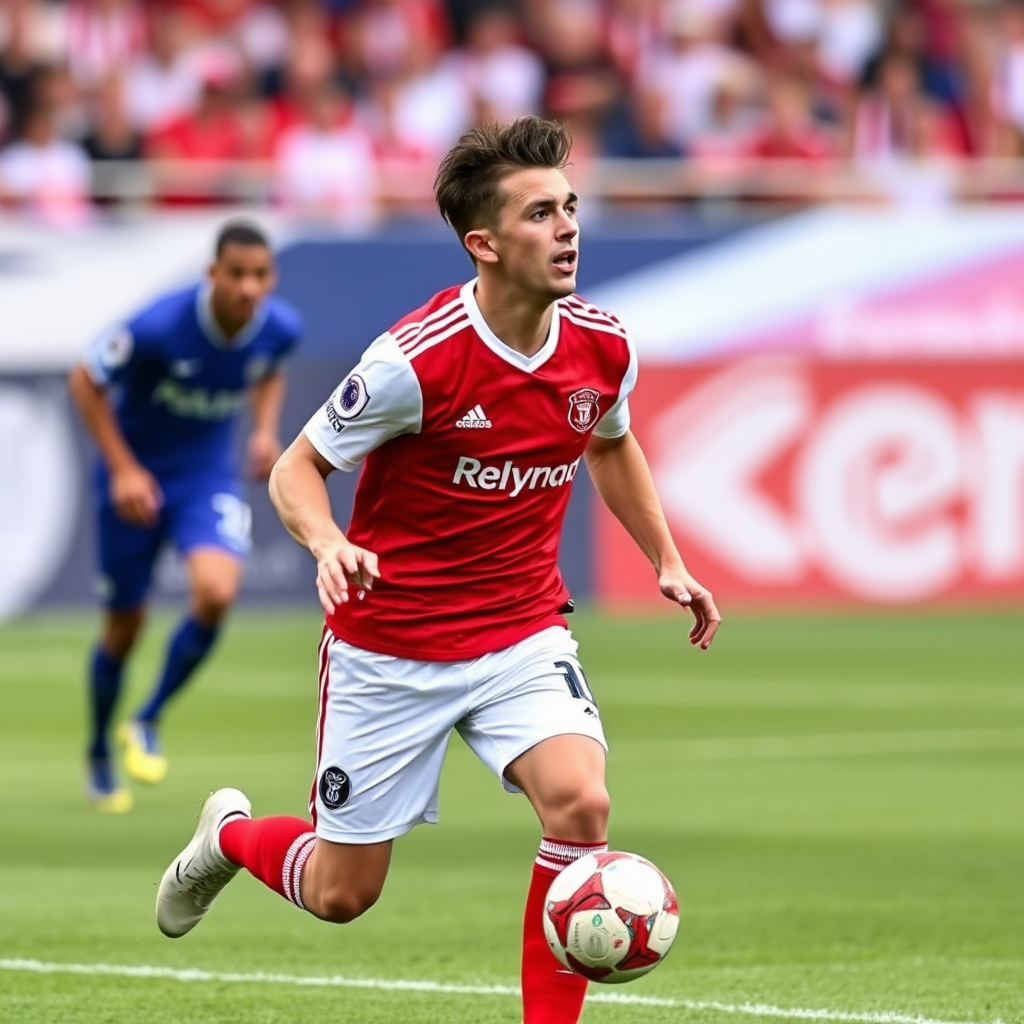
Mikel Arteta has rebuilt Arsenal around young, hungry players who share a collective purpose. Last season’s collapse — losing the title after leading for most of the campaign — could have broken the squad. Instead, it appears to have hardened them. The current Arsenal side plays with a directness and aggression that suggests they have learned from past disappointment. They chase every ball, celebrate every tackle, and rarely show signs of resignation even when trailing.
The question is whether this emotional approach can be sustained over a full season. Arsenal’s intensity is a weapon, but it is also a drain. When the matches come every three days and injuries thin the squad, maintaining that emotional high becomes difficult. The mental test for Arsenal is not about courage; it is about patience. Can they stay disciplined when the opponent sits deep and dares them to break down a low block? Can they avoid frustration when a dominant performance yields only one goal? Those are the moments where mental strength shifts from passion to composure.
| Trait | Arsenal | Manchester City |
|---|---|---|
| Response to adversity | High energy, emotional, sometimes reckless | Controlled, systematic, sometimes passive |
| Consistency under pressure | Improving but unproven over 38 games | Proven but vulnerable to chaos |
| Leadership on the pitch | Distributed, vocal (Odegaard, Rice, Saliba) | Quiet, tactical (Rodri, Stones, Walker) |
Liverpool: Chaos as a Feature, Not a Bug
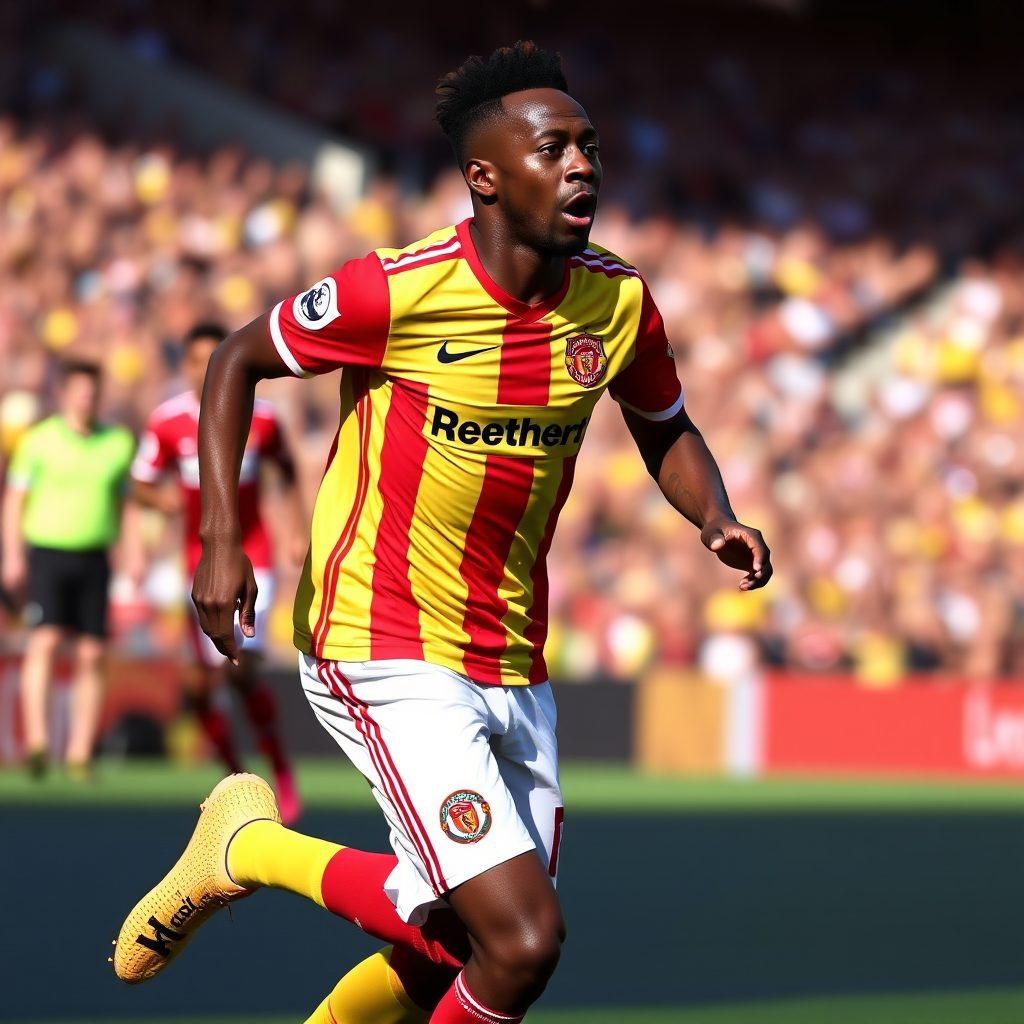
Liverpool’s identity under Jürgen Klopp was built on emotional momentum — the crowd, the counter-press, the belief that no deficit is too large. That energy remains, though the system has evolved. The current Liverpool side still plays at a high tempo and still produces remarkable comebacks. Their mental strength is rooted in self-belief: they genuinely seem to think they can score at any moment, and that belief transmits to the stands.
The vulnerability, however, is that this approach relies on adrenaline. When the legs tire or the crowd falls flat, Liverpool can look disjointed. Their defensive structure is not as automatic as City’s, and individual mistakes have a bigger impact because the system is less rigid. For Liverpool to win the title, they need their mental edge to show up in the quiet moments — the 0-0 draw away to a stubborn opponent where patience is required, not just passion.
For those who want to assess the psychological state of each contender before the weekend matches, checking tỷ lệ kèo nhà cái hôm nay can provide a market-based temperature check on how the public and oddsmakers perceive each team’s current form and morale.

The Dark Horses: Who Could Surprise?
Aston Villa, Tottenham, and Newcastle each have elements that could disrupt the expected narrative. Villa under Unai Emery has shown remarkable composure in one-off matches, but their squad depth will be tested in a sustained race. Tottenham have attacking talent but a history of fragility in decisive moments. Newcastle have the physicality and defensive structure to frustrate any opponent, but their mental strength is still forming — they are learning how to handle the weight of expectation after years outside the top four.
The key factor for any dark horse is how they handle the transition from hunter to hunted. When a team is not expected to win, the pressure sits elsewhere. Once they climb into genuine contention, every dropped point feels like a crisis. That psychological shift has derailed many promising campaigns.
What to look for in emerging contenders
- Their record in matches immediately following a disappointing result — do they bounce back or spiral?
- How they manage the second half of games when the score is level, particularly after midweek European commitments.
- The reaction of the manager on the touchline: calm adjustments or frantic substitutions are often a mirror of the squad’s mindset.
Risks and Red Flags When Judging Mental Strength
Mental strength is not a fixed trait. It fluctuates based on injury crises, fixture congestion, personal issues off the pitch, and even the weather. A team that looks unbreakable in October can look fragile in March. Here are the risks to keep in mind when making your own assessment:
- Overinterpreting one result: A single comeback or collapse tells you little on its own. Look for patterns over at least six to eight matches.
- The manager effect: Calm managers often mask internal tension, while passionate managers can sometimes amplify it. The visible mood is not always the real mood.
- Injury context: A team that loses composure after losing a key midfielder is showing a squad depth problem, not necessarily a character flaw.
- Cup distractions: A deep Champions League run can drain emotional reserves, making league form suffer. Mental strength includes knowing how to prioritise.
| Common Assumption | Why It Might Be Wrong |
|---|---|
| Experienced squads are always mentally stronger | Experience can also mean fatigue or complacency |
| Passionate teams are mentally fragile | Emotion can fuel resilience if properly channelled |
| Big wins prove mental strength | How a team handles the week after a big win is more telling |
Frequently Asked Questions
What is the single best indicator of mental strength in a title race?
The ability to win matches when playing poorly. Teams that collect maximum points without hitting peak performance show discipline, organisation, and the refusal to accept a draw as a good result.
Can mental strength be developed during a season?
Yes, but it usually requires a clear trigger — a painful defeat, a public criticism, or a leadership change. Teams that simply coast along rarely build resilience; it is forged through adversity.
Does home advantage affect mental strength significantly?
Absolutely. A supportive crowd can lift a team through difficult moments, but it can also create pressure when expectations are high. The most mentally strong teams perform consistently on the road, relying on internal standards rather than external noise.
How important is the goalkeeper for team mentality?
A calm, reliable goalkeeper is the last line of psychological defence. When the keeper is confident in possession and stable under high balls, the entire back line plays with more assurance. Nervousness in goal spreads quickly through the team.
Should I pay attention to press conferences for clues?
Only to a limited extent. Coaches often use media appearances to manage public perception, not to reveal true emotions. Watch how players interact on the pitch during warm-ups and after conceding — those signals are harder to fake.
Final Thoughts: What to Remember
The team that wins the Premier League will almost certainly not be the one with the most talent on paper. It will be the one that handles the inevitable setbacks — the controversial VAR decision, the last-minute equaliser, the injury to a key player — without losing its identity. Mental strength is not about never falling; it is about having a recovery mechanism that is faster and more reliable than the competition’s.
Before you decide who has the edge, remember these risks: form is temporary, confidence is fragile, and the narrative in November rarely matches the reality in May. Watch how each team responds to its first real crisis of the second half of the season. That moment, more than any table position or squad valuation, will tell you who truly has the mental strength to go all the way.