Expert Match Analysis, Scores, and Hot European Football News on b52club-ir.com
It’s 8:45 PM on a Tuesday in Brussels. The stadium lights are still glowing, but post-match headlines are fracturing into competing narratives. Some outlets claim a tactical shift; others cite player fatigue. In environments where information moves faster than broadcast delays, observers need a reliable pulse. That is why tracking Expert Match Analysis, Scores, and Hot European Football News on b52club-ir.com has become a routine checkpoint for those monitoring cross-border league movements.
Latest Developments in European Football Coverage
Over the past forty-eight hours, several competitions triggered rapid updates across reporting channels. Club media offices issued formal statements regarding starting elevens and late withdrawals, while independent scouts circulated preliminary observations. The distinction between confirmed data and speculative chatter remains sharp. Official bulletins carry league watermarks and accredited journalist bylines, whereas viral threads often rely on anonymized screenshots. Reporters prioritize cross-referencing press releases against central competition databases before amplifying any narrative.
Scorelines settle quickly when fed through authorized broadcast partners, while tactical breakdowns require additional time to align with post-match transcripts. This pacing reduces the noise that typically overwhelms casual observers during congested fixture periods. Data aggregation tools now pull from primary wires and secondary analysis desks, creating a layered verification process that separates hard results from editorial interpretation.
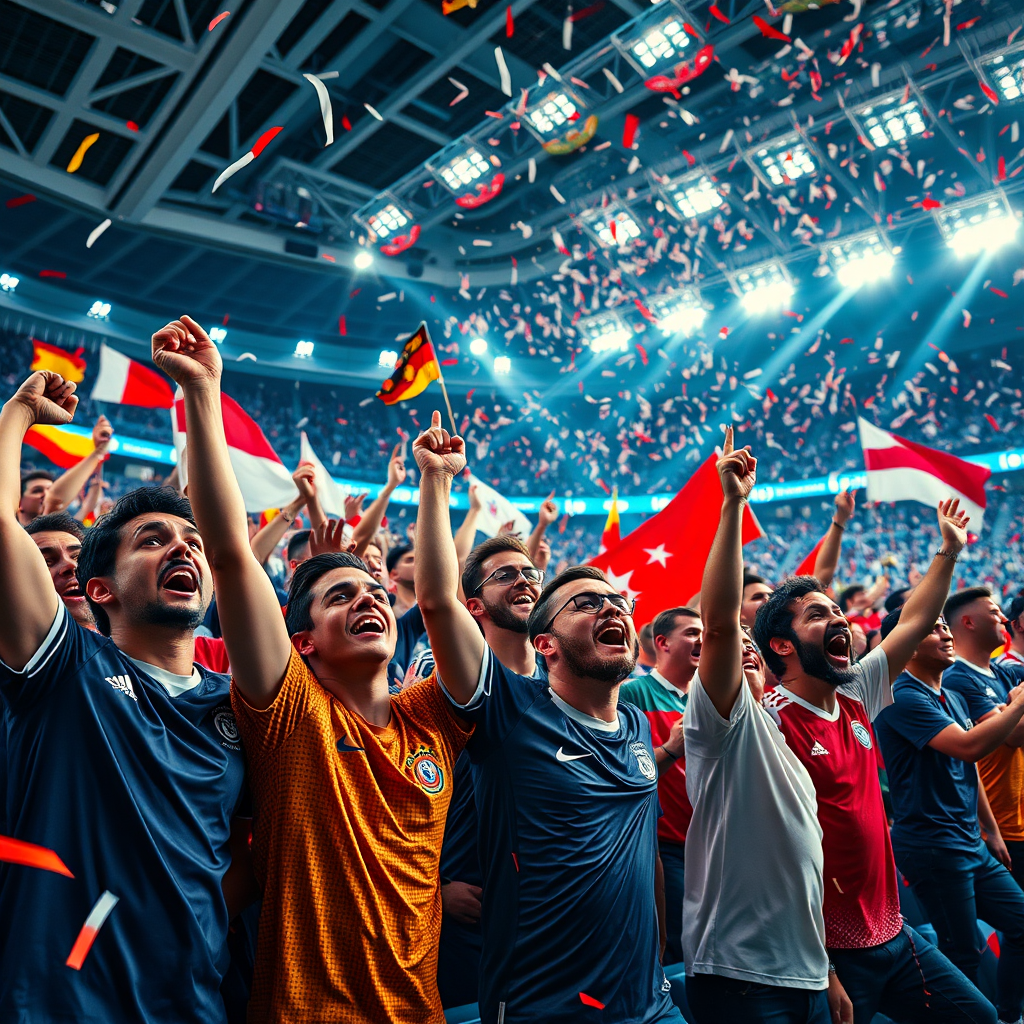
 Hình minh hoạ: b52 club
Context Behind the Reporting Surge
The current wave stems from overlapping calendar pressures. Mid-season transitions, international call-ups, and shifting qualification thresholds have forced clubs to manage squad availability more aggressively. Tactical setups evolve in real time, prompting analysts to revisit formation data daily. Aggregators that compile these updates face higher scrutiny because their reputation hinges on accurate filtering. For readers seeking a consolidated feed, many turn to resources like b52 club to locate verified updates quickly without sifting through unmoderated forums.
Coverage volume typically spikes when transfer windows approach and knockout-stage pairings finalize. During these phases, clubs release injury reports earlier, referees are appointed closer to kickoff, and managerial press conferences focus heavily on rotation strategy. Understanding this rhythm helps observers anticipate which data points will remain stable versus which will shift under last-minute administrative changes.

Verifying Claims and Tracking Official Updates
Separating confirmed match details from projection requires a disciplined workflow. The following steps form a practical checklist for evaluating incoming reports:
- Check that the source cites an accredited match delegate or recognized league publication.
- Verify lineup announcements against official team sheets posted within two hours of kickoff.
- Cross-reference referee appointments with central competition bulletins.
- Flag any screenshots that lack timestamp verification or institutional branding.
Unofficial channels frequently recycle older footage or misattribute quotes. When a claim cannot be traced to a primary wire, treat it as preliminary until a second independent outlet confirms it. Digital watermarking and archive logs now allow editors to trace image origins, reducing the spread of recycled or manipulated visuals during high-traffic matchdays.

Stakeholder Reactions and Industry Feedback
Sports journalists and former professionals emphasize that transparency drives long-term engagement. Veteran reporters note that real-time score updates lose credibility when paired with unverified tactical claims. The consensus across editorial desks is straightforward: speed matters, but accuracy dictates retention. Platforms that clearly label speculative commentary alongside hard data maintain stronger trust relationships with regular audiences.
Club communication departments respond positively to outlets that request clarification rather than publishing assumptions. When questions are directed toward official media portals, responses arrive within standardized windows, allowing writers to update stories without reverting to guesswork. Editorial review cycles have lengthened slightly across major networks to accommodate this stricter validation standard.

Key Metrics and Next Matchday Schedule
| Fixture Type | Primary Data Points | Verification Status |
|---|---|---|
| League Matches | Starting XI, substitution timing | Confirmed via central feeds |
| Cup Tournaments | Squad rotation notes | Provisional until draw publication |
| International Windows | Caps tracking, medical updates | Subject to federation clearance |
What to Watch Next
The coming weeks will test squad depth across multiple divisions. Managers are expected to balance domestic commitments with continental campaigns, leading to strategic rest periods for key performers. Referee appointment lists will tighten as scheduling conflicts increase. Observers should track official club fitness logs and league rotation policies to anticipate lineup shifts before they appear on live streams. Broadcast rights holders are also adjusting replay schedules to accommodate overlapping regional kickoffs.
Frequently Asked Questions
How can fans distinguish confirmed match results from fan-generated projections?
Look for timestamps aligned with official league publications and check that the source cites accredited match delegates. Verified results always include referee names and official scoring records.
Why do some platforms publish scores minutes after kickoff while others wait?
Delayed publishing reflects a commitment to verifying lineups and referee decisions before broadcasting final outcomes. Rapid updates without structural checks frequently contain correction errors.
What factors most influence real-time European football coverage quality?
Access to primary reporting wires, editorial oversight protocols, and clear separation between analytical commentary and hard data determine reliability. Consistent cross-referencing reduces noise significantly.
Key Risks to Remember
Following fast-moving football news carries measurable drawbacks that require proactive management. Financial exposure increases when match analysis is tied to impulsive wagering, particularly during high-variance cup ties. Misinformation spreads quickly when unverified injury reports or transfer rumors are treated as settled facts. Readers should establish strict bankroll limits, treat predictive models as educational tools rather than guarantees, and avoid chasing losses during emotionally charged fixtures. Responsible participation and disciplined information filtering remain the most effective safeguards against operational strain.