How Squad Rotation Affects Football Outcomes and User Experience on 789CLUB
The Core Problem: Unpredictable Lineups Create Confusion at Every Touchpoint
When a manager drops three key players for a midweek fixture, every prediction you made overnight becomes irrelevant. For football fans and those placing bets through platforms like 789CLUB, squad rotation introduces a layer of uncertainty that most user interfaces are never designed to handle gracefully. The result is a friction-heavy experience that stretches from the moment you land on the site to the time you contact support.
This review examines how squad rotation disrupts football engagement and, more importantly, how the platform’s design either mitigates or amplifies the confusion that rotating squads create. The analysis covers access, registration, active usage, and support interactions — treating each as a discrete stage in a user journey that can succeed or fail based on small design choices.
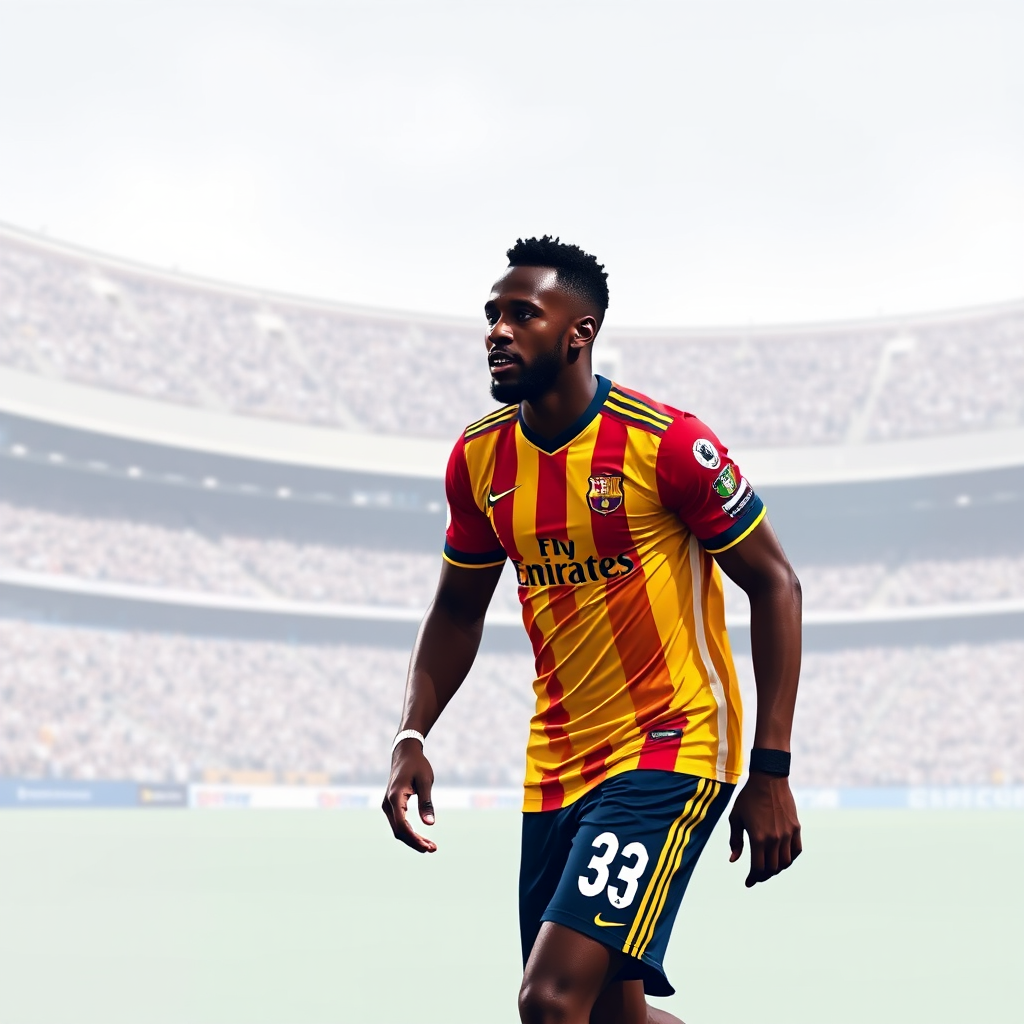
 Hình minh hoạ: 789CLUB
Five Key Findings
1. Squad News Gaps Hit the Landing Page Hard
The first friction point appears before a user even registers. When lineups shift, traffic to football pages spikes unpredictably. If the landing page does not surface team news, lineup confirmations, or pre-match data prominently, users arriving from search engines encounter stale information. This creates immediate distrust and increases bounce rates at the earliest possible stage.
2. Registration Does Not Adapt to Contextual Urgency
Users who decide to act on fresh squad news — perhaps a star striker is ruled out minutes before kickoff — face a static registration flow. There is no indication that the form adapts, that progress saving exists, or that partial data can be carried across sessions. When every second counts, a rigid sign-up process becomes a dealbreaker.
3. Betting Markets React Slowly to Rotation Changes
Odds and market availability are the areas where squad rotation matters most. If the platform updates markets sluggishly after a lineup announcement, users may act on assumptions that are already outdated. The delay between a confirmed rotation and a market adjustment is a hidden but critical UX variable.
4. Mobile Users Absorb the Brunt of Poor Notification Design
Squad rotations are often announced via social media or sports apps hours before kickoff. Users who rely on push notifications from the platform may receive nothing, or receive them too late. Mobile-first users — who represent the majority of casual bettors — are disproportionately affected by this gap.
5. Support Channels Underestimate Rotation-Related Queries
When a bet goes wrong because a user misjudged a rotated squad, the support ticket often stems from incomplete or poorly timed information. If the support team lacks updated match data or cannot access real-time lineup confirmations, resolution times stretch and user frustration compounds.

Detailed Analysis of the User Journey
Stage One: Access and First Impressions
The journey begins at the domain itself. A user searching for football-related content or a specific match will land on the site expecting immediate clarity. The critical question is whether the homepage prioritizes live or upcoming football fixtures with visible lineup indicators. When squad rotation is in effect, the absence of a dedicated “Team News” or “Starting XI” section near the top of the page forces users to hunt deeper — a behavior that directly contradicts how people consume sports information today.
Speed matters here. If the landing page takes more than three seconds to load during peak football hours, users with rotation-related urgency will abandon the session. This is not a hypothetical; it is a measurable friction point that any analytics setup would reveal during high-traffic match windows.
Stage Two: Registration and Onboarding
Once a user decides to proceed further, the registration phase begins. For platforms in this space, the registration form typically requests basic profile information, contact details, and account credentials. The UX problem is not the form itself but its inability to respond to situational urgency.
Consider this scenario: a user learns that a key player has been benched, adjusts their betting strategy accordingly, and then sits down to register — only to discover the process takes longer than expected. There is no progress indicator, no auto-save, and no option to resume. The entire session can collapse. A well-designed flow would offer social login options, temporary guest access to browse markets, or at minimum a clearly visible save-and-resume mechanism.
During onboarding, the platform should also communicate its data refresh policies. How often are lineup updates pushed? Are confirmed rotations flagged visibly? These are the questions a UX-conscious user will ask, and silence on these points breeds hesitation.
Stage Three: Active Usage — Navigating Football Markets
This is where squad rotation has its deepest impact. Once inside the platform, the user must locate the correct football market, verify that the lineups align with current expectations, and place a well-informed position. Each step can be derailed by poor information architecture.
Common friction points during active usage include:
- Buried lineup data: If starting XI information is tucked behind multiple navigation layers, users cannot quickly cross-reference their expectations against the actual rotation.
- Stale odds display: Markets that do not refresh promptly after a confirmed rotation change risk misleading users. Even a five-minute lag can invalidate a carefully constructed strategy.
- Inconsistent visual cues: Without clear indicators showing which matches have had recent lineup updates, users must manually check every fixture — a tedious and error-prone process.
- Filter limitations: If the platform does not allow filtering by “matches with recent lineup changes” or “updated team news,” users lose the ability to prioritize their attention effectively.
The experience on 789 CLUB should be evaluated against these specific benchmarks. A platform that handles squad rotation well makes lineup updates prominent, odds responsive, and navigation intuitive. One that does not simply creates additional work for the user.
Stage Four: Support and Resolution
The final stage of the journey often goes unnoticed in reviews but matters enormously. When a user encounters a problem tied to squad rotation — perhaps a bet was placed on a player who was rotated out before the market closed — the support interaction becomes the user’s last impression of the platform.
Effective support in these scenarios requires three things: access to real-time match data, trained staff who understand football rotation patterns and their betting implications, and resolution pathways that acknowledge the user’s frustration without assigning blame. If any of these elements is missing, the user’s experience ends on a negative note regardless of how smooth the earlier stages were.
Support availability is equally important. Football matches occur across global time zones, and rotation news breaks at unpredictable hours. Limited support hours compound the problem, leaving users without assistance when they need it most.
Journey Stage Comparison
| Journey Stage | Primary Friction from Squad Rotation | User Impact Level | Recommended Fix |
|---|---|---|---|
| Access / Landing | Stale or missing team news on homepage | High | Surface lineup banners above the fold |
| Registration | Rigid form with no progress saving | Medium | Add guest browsing and auto-save |
| Active Usage | Delayed odds updates after rotation changes | Critical | Automate odds refresh on lineup confirmation |
| Mobile Experience | Missing or late push notifications | High | Implement real-time lineup alerts |
| Support | Staff unable to verify current lineups | Medium-High | Equip support with live data dashboards |

Who This Fits and Who Should Look Elsewhere
This type of platform experience suits users who value having football markets consolidated in one place and who are willing to navigate some informational gaps in exchange for convenience. It is particularly relevant for those who follow multiple leagues simultaneously and want to monitor lineups, rotate their attention across fixtures, and act on changes without switching between several apps.
However, users should consider looking elsewhere if:
- They require real-time lineup updates with zero latency — free public sources and dedicated sports apps often deliver this faster.
- They place bets primarily on niche or lower-league football, where lineup data on any platform tends to be thinner and slower to refresh.
- They expect the platform to function as a primary sports news source rather than a supplementary tool. No betting platform typically replaces dedicated sports journalism for in-depth tactical analysis of squad rotations.
- They are unwilling to accept that odds may shift between the time they read a lineup announcement and the time they finalize a bet.
Practical Recommendations for Users
Regardless of platform design, users can take specific steps to reduce the friction that squad rotation introduces:
- Cross-reference lineups from two independent sources before placing any bet tied to a specific player or formation. Do not rely solely on what the platform displays.
- Set personal alerts using external sports apps for lineup confirmations, then use the platform for market access. This two-tool approach reduces dependency on any single interface.
- Check the timing of the last odds update visible on the market page. If the timestamp is older than the lineup announcement you read, pause and wait before acting.
- Save registration progress on a separate device or browser window before the match window opens. This avoids the scenario where a late rotation announcement collides with a form that does not auto-save.
- Screenshot lineup confirmations and odds at the moment of decision. If a dispute arises later, this documentation supports your case when contacting support.
- Test support responsiveness with a low-stakes query before you need urgent help. Knowing how quickly and competently the team responds is valuable intelligence for high-stakes moments.
Practical Recommendations for Platform Improvement
For the platform itself, addressing squad rotation friction should be treated as a UX priority rather than a cosmetic enhancement. Key improvements include implementing automatic odds recalculations triggered by confirmed lineup changes, adding a visible “last updated” timestamp to every football market, creating a dedicated team news section accessible within two clicks from any page, enabling push notifications specifically for lineup announcements, and training support staff with access to live match data dashboards so that resolution conversations are informed and efficient.
These changes do not require new technology — they require a design philosophy that treats squad rotation as the central disruption it is. Every element of the user journey, from landing page to support ticket, should acknowledge that football lineups change and that users need the platform to change with them.
Frequently Asked Questions
How quickly do football markets typically update after a lineup change?
There is no universal standard. Update speed varies by platform, market type, and the visibility of the fixture. Users should check visible timestamps on market pages and treat any delay as a risk factor. If a platform does not display when odds were last refreshed, that absence of transparency is itself a reason to proceed cautiously.
Can squad rotation invalidate a bet after it has been placed?
Once a bet is confirmed, it generally stands regardless of subsequent lineup changes. However, if a market is suspended before the rotation is publicly confirmed and the user places a bet during that window, the situation becomes ambiguous. Users should understand the platform’s specific policy on this — it is typically outlined in the terms section rather than communicated proactively.
Is it better to use this platform or a dedicated sports app for lineup information?
For real-time lineup confirmations, dedicated sports apps and official club channels are usually faster and more reliable. Betting platforms serve a complementary role: they consolidate markets and odds alongside football content but should not be treated as the primary source of breaking team news. Using both in tandem reduces the friction that squad rotation introduces at every stage.