Sparta Prague Celebrate Czech First League Title With Squad Continuity – Who Benefits and Who Doesn’t
Why This Title Win Deserves a Second Look
If you follow European football, you know that Sparta Prague’s Czech First League title in 2023/24 was not just another trophy. The club won by keeping its core group together while rivals frequently overhauled their rosters. That decision raises a direct question: does squad continuity work for every club, or is it a gamble that pays off only in specific conditions? The answer depends on financial stability, player age profiles, and the patience of the board. For some, this approach builds dynasty potential; for others, it risks stagnation.
On platforms like game đổi thưởng, fans often discuss how long-term squad building translates into consistent performance. Sparta Prague’s example offers a real case study for anyone evaluating risk in team management.
 Hình minh hoạ: game đổi thưởng
Quick Look at the Achievement and the Squad Strategy
Sparta Prague secured the Czech First League title with a points margin that reflected their consistency. More importantly, they did so while retaining most starters from the previous season. The club deliberately avoided the transfer market frenzy, betting on internal chemistry and tactical familiarity. This stands in contrast to clubs that swap half the lineup every summer and hope for immediate results.
For a club like Sparta, the benefits are clear: lower adaptation costs, stable relationships on and off the pitch, and a clear identity. However, the strategy also carries risks that become visible when injuries mount or opponents figure out the system.
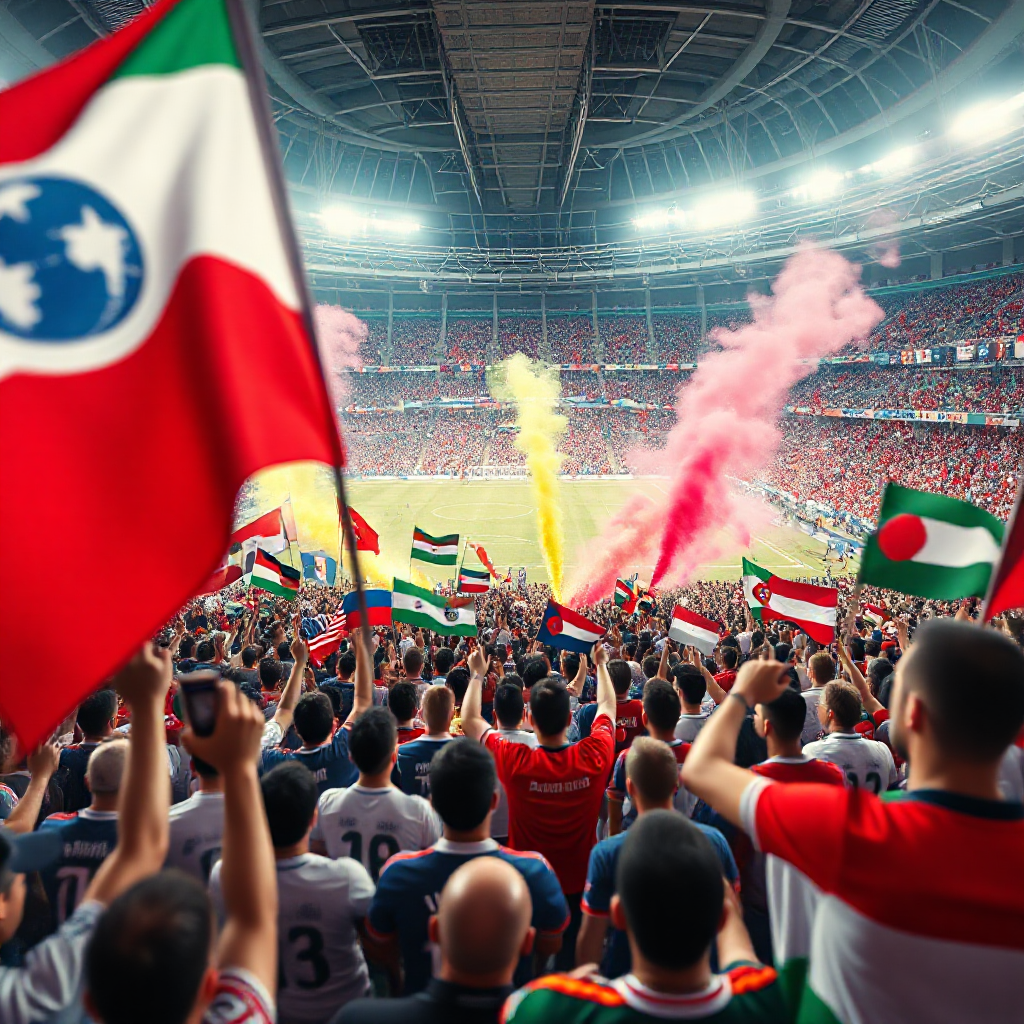
The Journey: How Continuity Played Out on the Pitch
Throughout the season, Sparta’s players showed an instinctive understanding of each other’s movements. The midfield knew when to press, defenders covered for each other without verbal cues, and attackers anticipated runs. This cohesion is the direct result of retaining the same starting eleven across multiple transfer windows.
Yet the journey was not without hiccups. There were spells when the team looked predictable – opponents studied match footage and exploited patterns. The manager had to introduce minor tactical tweaks without breaking the chemistry. That balancing act requires a coaching staff that understands when to change and when to stay the course.
For followers who also enjoy card games or sports-related gaming, checking a game danh bai site can sometimes offer parallels – the best players know when to hold their hand and when to fold. Sparta Prague held its hand, and it worked this time.

Who This Strategy Fits – and Who Should Think Twice
Not every club can replicate Sparta Prague’s approach. Let’s break down the profiles.
Suitable for:
- Clubs with stable finances – if you don’t need to sell players for revenue, you can resist offers for your key men. Sparta has a solid financial base from sponsors and European competition.
- Clubs with a long-term manager – continuity works best when the coach’s vision aligns with the squad’s development. Sparta’s manager has been in place long enough to build trust.
- Clubs with a young but experienced core – players in their mid-20s who still have room to grow but are already leaders. Sparta’s average age was ideal for another two to three years together.
- Leagues with moderate competition – in the Czech First League, the top two or three clubs dominate. Against weaker opponents, familiarity gives an edge. In a hyper-competitive league like the Premier League, the same approach might not yield titles.
Not suitable for:
- Clubs that need an immediate rebuild – if the squad is aged, injured, or lacking quality, keeping it together only delays necessary change. Sparta didn’t face that situation.
- Clubs under intense fan pressure for quick results – continuities take time to bear fruit. In environments where the board demands a trophy every 12 months, a slower build may be politically impossible.
- Clubs in leagues with heavy transfer churn – if rivals improve drastically each window, standing still can mean falling behind. Sparta’s rivals were stable or weaker.
- Clubs whose core players are approaching 30+ – keeping an aging group together risks a sudden drop in performance. Sparta’s key men were at their peak, not past it.
Risks to Verify Before Adopting a Similar Plan
For any club considering the “Sparta model”, a risk management lens is essential. Below is a checklist of factors to monitor.
| Risk Factor | What to Check | Red Flags |
|---|---|---|
| Player motivation | Are players still hungry after multiple seasons together? | Complacent body language, downing tools after title win |
| Tactical stagnation | Can the manager introduce new ideas without losing trust? | Repeated same mistakes in big games, opponents reading play |
| Contract lengths | Are key players approaching free transfer windows? | Multiple core players with under 18 months left |
| Injury accumulation | Are players being overused due to lack of rotation? | Rising muscle injury rates, fatigue in second half of season |
These checks can prevent a success story from turning into a cautionary tale. Without transparency in internal evaluations, a club may mistake comfort for progress.
Frequently Asked Questions
Does squad continuity guarantee success?
No. Continuity increases the odds of cohesion, but external factors like financial doping, managerial changes, or bad luck with injuries can derail any project. Sparta’s title is evidence that it can work, not a guarantee for others.
How long should a club keep its core together?
Typically three to five years, depending on age curves. Once the average core age exceeds 30, planned renewal becomes urgent. Sparta’s core is in the 25–28 range, giving them a two- to three-year window.
What if a key player wants to leave?
Forced departures break continuity. Clubs must have succession plans or be willing to offer competitive wages. Sparta avoided this by aligning contracts and project ambition. If a star leaves unexpectedly, the entire strategy weakens.
Can this work in a league with relegation?
Yes, but the risk is higher. A bad season while standing still can lead to drop. In a relegation-threatened club, continuity often means keeping a losing squad. It works best for mid-table or top clubs.
How does squad continuity affect player market value?
It can reduce individual marketability if players are not exposed to bigger leagues. Meanwhile, a title-winning team raises the profile of every member. The net effect varies. Sparta’s players likely saw moderate value increase due to title visibility.
Final Checklist – What to Keep in Mind
Sparta Prague’s celebration is well-deserved, and their approach offers a useful benchmark. But before applying the same logic elsewhere, remember three risks:
- Complacency is the hidden tax on stability. A group that stays together too long can stop improving. Check whether the club has a mechanism to inject competition.
- One season does not make a model. Repeating the title next year will require adapting to a changing league. If opponents strengthen and Sparta stands pat, the result may flip.
- Financial prudence can become stagnation. Not spending is not always smart. The club must still invest in youth and tactical evolution or risk falling behind.
For fans and analysts alike, treat squad continuity as one variable in a complex risk equation. Blindly copying Sparta’s strategy without assessing your own club’s context is a mistake. Verify the conditions, ask hard questions, and celebrate the title – but keep one eye on the next season’s challenges.